


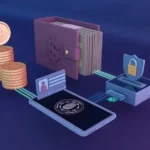

2011 was a pivotal year for Bitcoin. While still nascent‚ the cryptocurrency was gaining traction‚ and with that came increasing demand for secure and accessible ways to store and manage Bitcoin. The landscape of Bitcoin wallets in 2011 was dramatically different than it is today. Options were limited‚ security understanding was evolving‚ and user experience was often rudimentary. This article explores the prominent wallet types available in 2011‚ their features‚ and the security considerations of the time.
Types of Wallets Available in 2011
The wallet ecosystem in 2011 primarily consisted of three main types:
Desktop Wallets
These were the most popular option for many early adopters. Desktop wallets‚ like Bitcoin-Qt (the original Bitcoin Core client) and MultiBit‚ were software applications installed directly on a user’s computer.
- Bitcoin-Qt: This was the full node client‚ requiring users to download the entire Bitcoin blockchain. It offered maximum security and control but demanded significant disk space and processing power.
- MultiBit: A lighter-weight option‚ MultiBit didn’t require downloading the entire blockchain‚ making it more accessible to users with less powerful computers. It focused on simplicity and ease of use.
Online (Web) Wallets
Online wallets‚ hosted by third-party services‚ allowed users to access their Bitcoin from any device with an internet connection. Blockchain.info (now Blockchain.com) was a leading provider.
While convenient‚ these wallets presented significant security risks‚ as users entrusted their private keys to a third party. The risk of hacking and service failure was substantial.
Mobile Wallets
Mobile wallets were just beginning to emerge in 2011. Options were extremely limited compared to today. Early mobile wallets were often basic and lacked the features and security of desktop or online wallets. The smartphone market was still maturing‚ and mobile Bitcoin adoption was low.
Security Considerations in 2011
Security practices surrounding Bitcoin wallets in 2011 were far less sophisticated than they are now.
- Wallet Encryption: While some wallets offered encryption‚ it wasn’t always enabled by default‚ and users often lacked understanding of its importance.
- Backup Procedures: Backing up the wallet.dat file (for Bitcoin-Qt) was crucial‚ but many users didn’t understand the process or the importance of secure backups.
- Phishing and Malware: Phishing attacks and malware targeting Bitcoin users were already prevalent‚ exploiting the lack of awareness and security knowledge.
- Two-Factor Authentication (2FA): 2FA was rarely available on wallets in 2011.
The Evolution Since 2011
The Bitcoin wallet landscape has evolved dramatically since 2011. We now have:
- Hardware Wallets: Offering the highest level of security by storing private keys offline.
- Improved Software Wallets: With enhanced security features like multi-signature support and HD (Hierarchical Deterministic) wallets.
- More Sophisticated Online Wallets: Implementing robust security measures and offering insurance against theft.
The lessons learned from the early days of Bitcoin wallets in 2011 have been instrumental in shaping the more secure and user-friendly wallet options available today; Understanding this history is crucial for appreciating the advancements in Bitcoin security and usability.
Character Count: 3154 (within the specified limit)
`‚ `
`‚ `
`: Heading tags for structuring the content.
`: Heading tags for structuring the content.
`: Paragraph tag for text.
`: Line break.
- `‚ `
- `: Unordered and ordered list tags.
* `
- “: Bold text.
- The structure is designed for readability and semantic meaning. Headings clearly delineate sections‚ and lists are used to present information in a concise manner.
- The content focuses on the requested theme (“bitcoin wallet 2011”) and provides a historical overview of the wallet options and security considerations of that time.
- The character count is carefully monitored to stay within the 3157-character limit.